
Adventure Tours
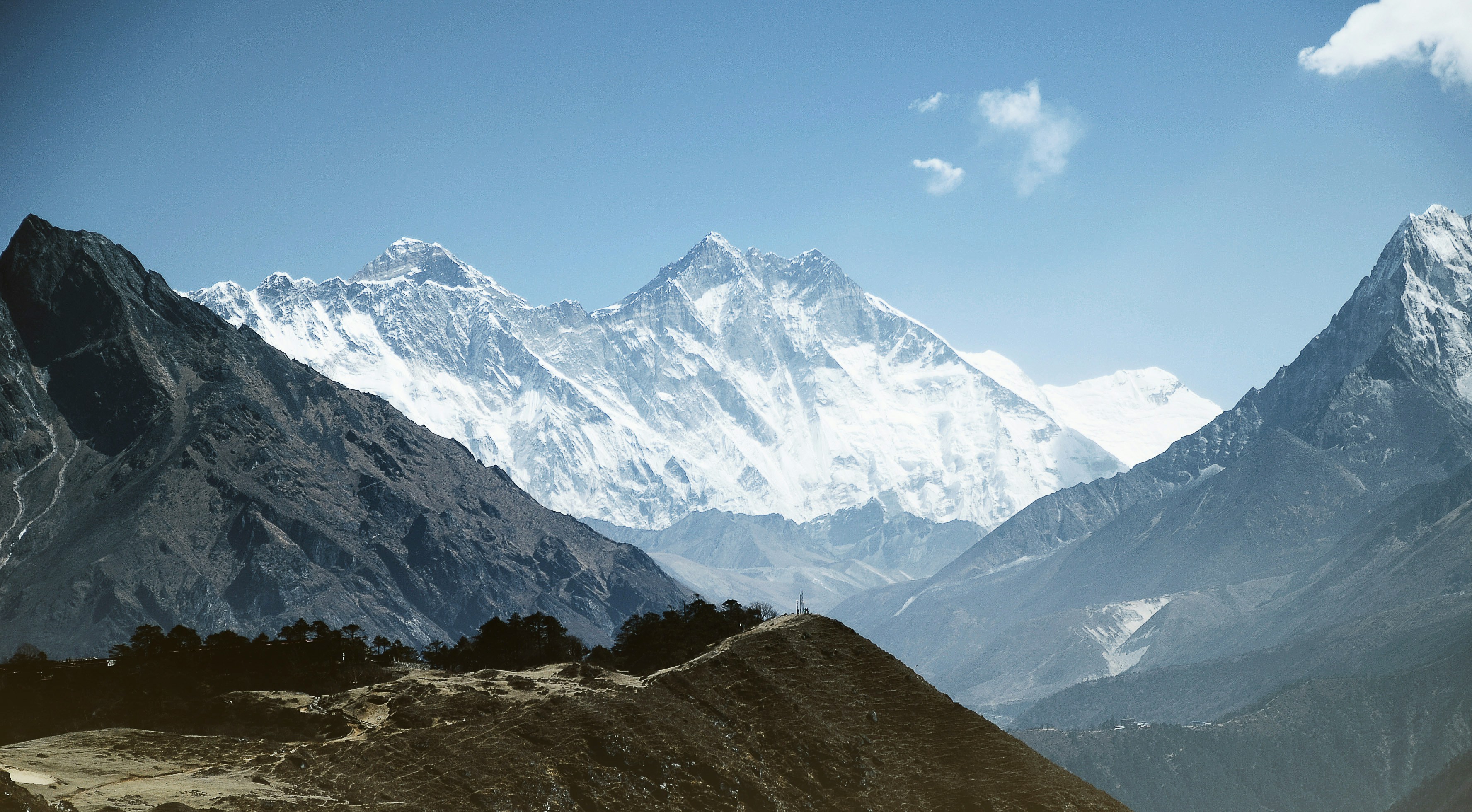
Things to Know Before Starting the Everest Base Camp Trek
The Everest Base Camp Trek is a dream adventure for many travelers and trekkers. Known for its stunning landscapes, cultural richness, and the ultimate experience of standing in the shadow of the world's highest peak, this trek is a once-in-a-lifetime journey. However, like any significant adventure, proper preparation is crucial. In this blog, we'll cover essential things to know before starting the Everest Base Camp Trek to ensure a safe, enjoyable, and memorable experience.
The Everest Base Camp Trek typically begins with a thrilling flight from Kathmandu to Lukla, one of the most challenging airports in the world. From Lukla, the trek takes you through picturesque Sherpa villages like Phakding, Namche Bazaar, Tengboche, Dingboche, Lobuche, and Gorakshep before reaching the Everest Base Camp. The trek usually takes 12-14 days, depending on your pace and acclimatization days. Understanding the route and daily distances can help in planning your physical preparation and packing essentials.
The Everest Base Camp Trek is a strenuous trek that requires a good level of physical fitness. The trek involves walking 5-7 hours daily on steep, uneven terrain at high altitudes. Prior training is essential, focusing on building stamina, strength, and cardiovascular endurance. Regular hiking, stair climbing, and strength training exercises are highly recommended. Remember, the better your physical condition, the more you'll enjoy the trek.
One of the biggest challenges of the Everest Base Camp Trek is the risk of altitude sickness. As you ascend above 3,000 meters, the air becomes thinner, making it difficult for your body to acclimatize. Symptoms of altitude sickness include headaches, nausea, dizziness, and shortness of breath. It's crucial to ascend gradually, stay hydrated, and take acclimatization days seriously. Diamox, a medication to prevent altitude sickness, can also be considered after consulting with a healthcare professional.
Packing the right gear is vital for the Everest Base Camp Trek. Here’s a checklist of essential items:
To undertake the Everest Base Camp Trek, you'll need two main permits:
The Everest Base Camp Trek offers teahouse accommodation along the route. These teahouses provide basic amenities such as a bed, meals, and hot showers (for an additional fee). The food is generally simple, with dishes like Dal Bhat (rice and lentils), noodles, pasta, and soups being common. It’s advisable to stick to vegetarian meals to avoid food-borne illnesses. Also, bring some cash in Nepalese rupees, as ATMs are not available along the trek.
The best time for the Everest Base Camp Trek is during the pre-monsoon (March to May) and post-monsoon (September to November) seasons. During these periods, the weather is relatively stable, with clear skies offering breathtaking views of the mountains. Avoid the monsoon season (June to August) due to heavy rainfall and slippery trails, and the winter months (December to February) when the extreme cold can make the trek more challenging.
Having comprehensive travel insurance is a must for the Everest Base Camp Trek. The insurance should cover high-altitude trekking (up to 5,600 meters), medical emergencies, evacuation by helicopter, and trip cancellations. Verify the coverage details with your insurance provider before your trek.
While it’s possible to do the Everest Base Camp Trek independently, hiring a guide and porter can enhance your experience. A guide can provide valuable insights into the culture, geography, and history of the region, while a porter can carry your heavy load, allowing you to focus on enjoying the trek. Hiring a local guide and porter also supports the local economy and communities.
The Everest region is home to the Sherpa community, known for their warm hospitality and deep-rooted Buddhist traditions. Respect the local culture by learning a few basic phrases in Nepali or Sherpa, dressing modestly, and following local customs. Additionally, be mindful of the environment by following the “Leave No Trace” principles—dispose of waste properly, avoid single-use plastics, and stick to marked trails.
The Everest Base Camp Trek is more than just a physical challenge; it’s a journey that offers cultural enrichment, stunning landscapes, and a sense of achievement. With proper preparation and an understanding of what to expect, you can embark on this adventure confidently. Whether you're trekking solo, with a guide, or as part of a group, the Everest Base Camp Trek promises to be an unforgettable experience that will stay with you forever.
© 2011 - 2026 All rights reserved. Tirupati Adventure Tours Developed By : Xenatech Nepal